About the museum
About the Museum
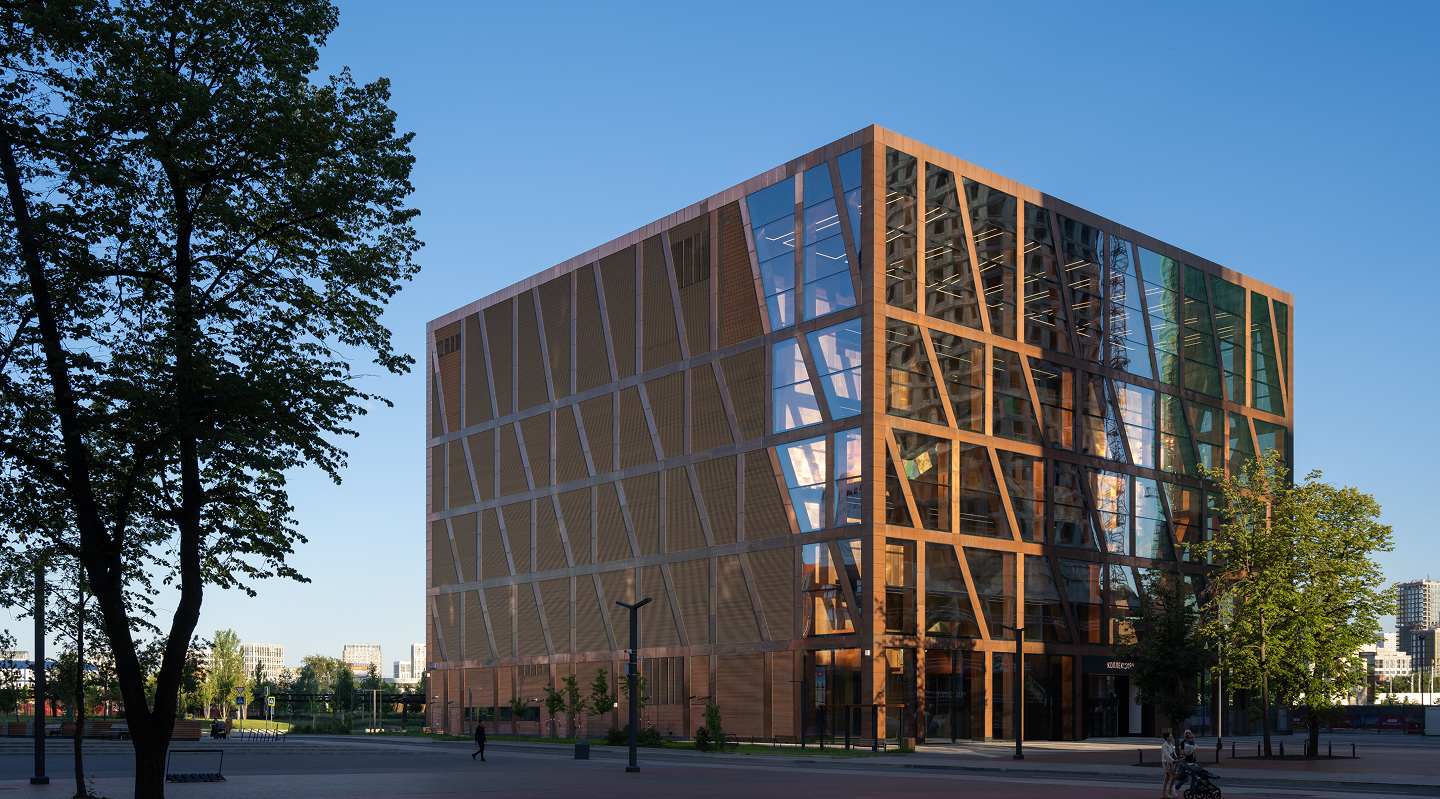
ZILART is a museum and exhibition centre opened in Moscow in 2025. It is located on the peninsula that used to be a large automotive factory ZIL, and recently transformed into a distinctive urban district.
The museum was founded by Andrey and Elizaveta Molchanov, whose art collection has been assembled over more than twenty-five years.
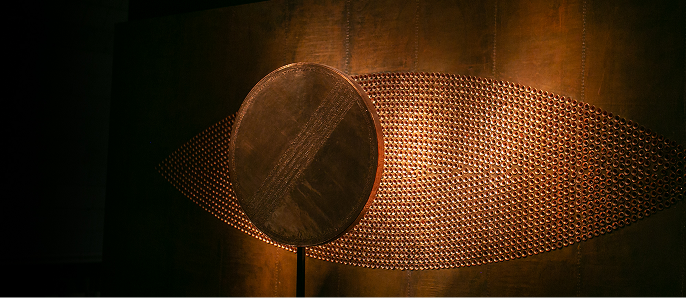
The museum’s exhibition program is primarily based on its own collection that includes over eight thousand pieces and continues to grow. It includes Russian avant-garde art, Soviet unofficial art, contemporary Russian and international art, a unique body of traditional African art, works by leading Russian and international photographers, early twentieth-century Russian style furniture, decorative and applied arts, and many other fields.
Exhibition projects developed by the ZILART Museum team in collaboration with curators and art historians bring together works from different periods and by different artists. These projects reveal continuity in artistic exploration and create a living picture of how visual language has evolved throughout the twentieth and twenty-first centuries.
Our collection is not just a group of artworks from different eras. It is also a network of meanings, people, and stories that together form the living organism of the museum.
ZILART organizes exhibitions and educational programs for audiences of all ages. The museum also develops projects focused on preserving the history of the ZIL district and shaping its future in collaboration with local residents.
Architecture
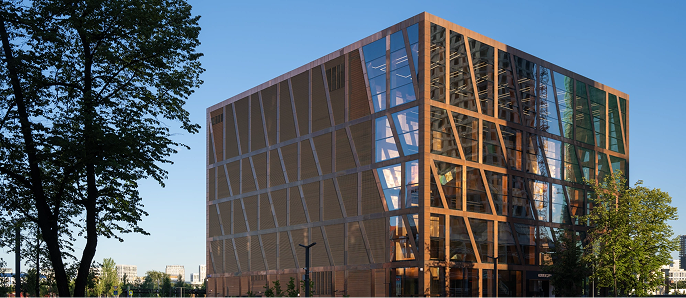
The museum building was designed by Sergey Choban and the SPEECH bureau and forms part of an ensemble of landmark works by internationally recognized architects. The building itself is a perfectly proportioned cube measuring 60 by 60 meters, with a height of 36 meters and a total area of more than 13,000 square meters. The museum includes four transformable exhibition halls with a combined area of over 5,000 square meters. The conference hall seats 90 people.
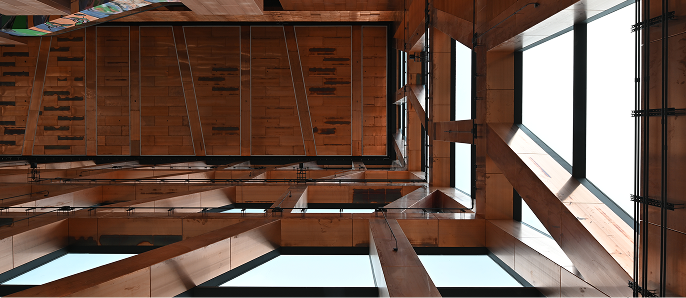
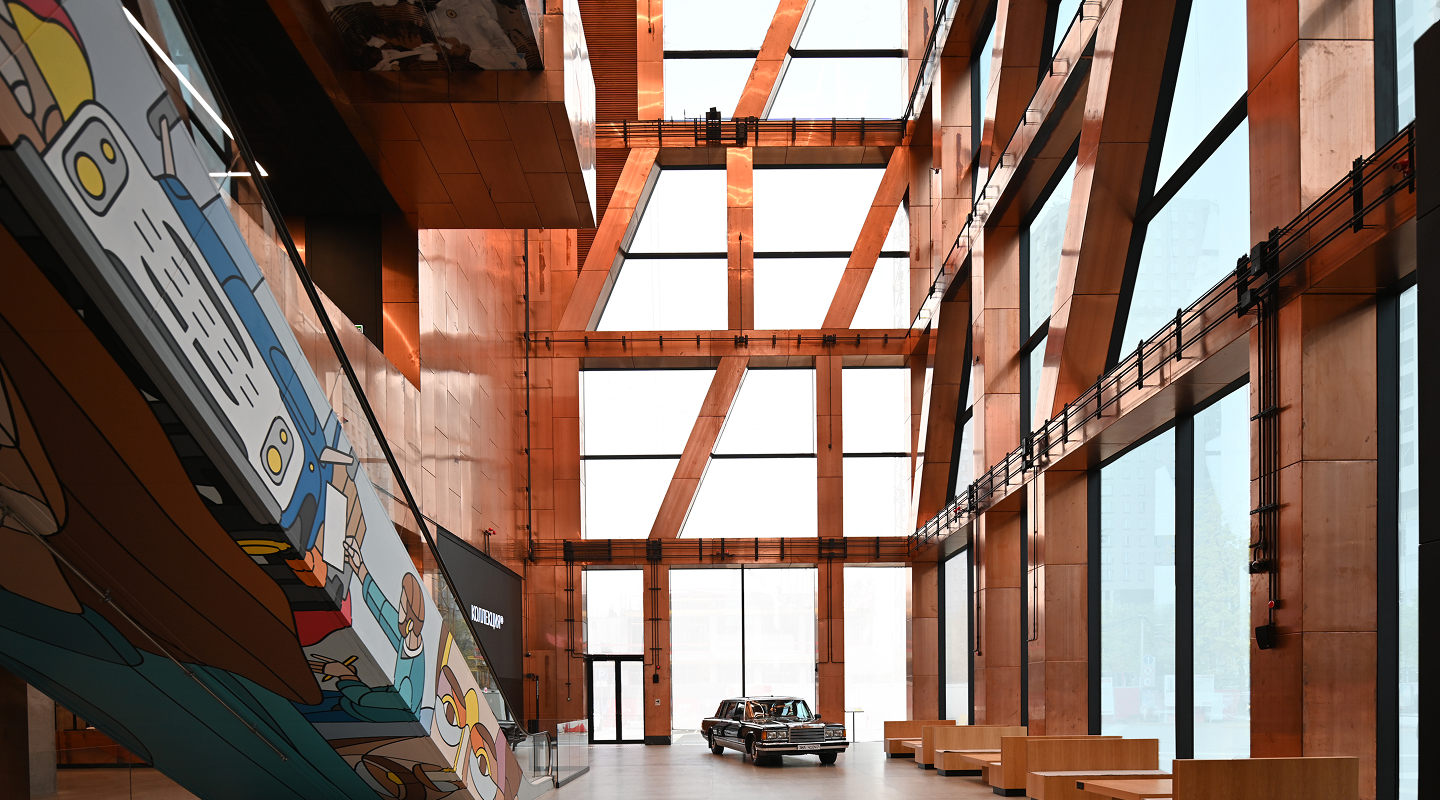
When designing the building, the architects looked to classical examples of ideal museum architecture, including the Uffizi Gallery in Florence. This approach led to the creation of a vast atrium, or loggia, that serves as a transitional space between exterior and interior. Upon entering the atrium, visitors still feel connected to the city outside.
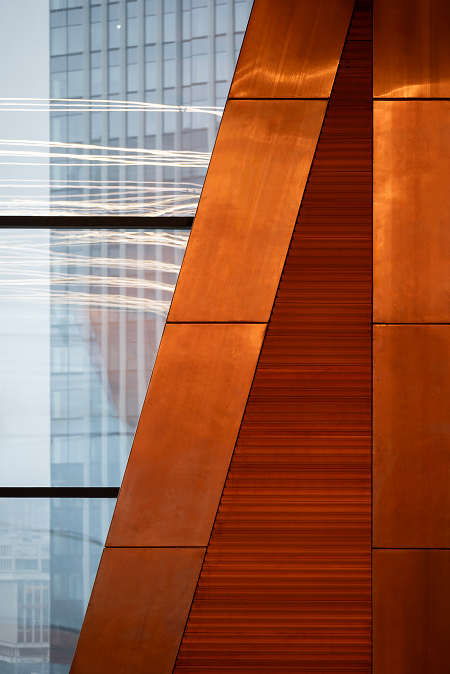
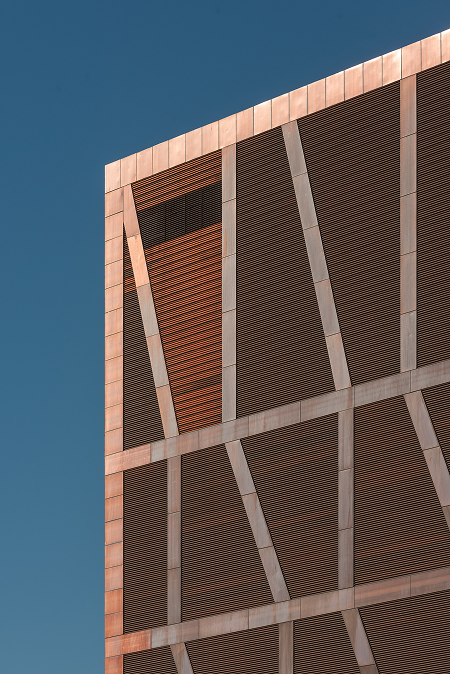
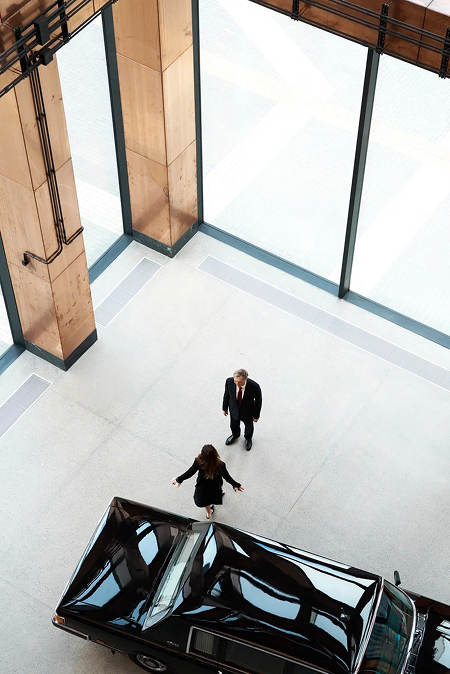
The architecture is inspired by the industrial aesthetic of the former ZIL factory that once occupied this site. The main material used for both the façade and interiors is copper, a key material in automobile production. Copper is a living metal that changes over time under the influence of the environment and retains traces of human touch.
The building stands at the intersection of Bratyev Vesninykh Boulevard and Rodchenko Street, next to the Tyufeleva Roshcha landscape park designed by Jerry van Eyck.
The architecture is inspired by the industrial aesthetic of the former ZIL factory that once occupied this site. The main material is copper, a living metal that ages gracefully and retains traces of human touch.
Zilart District
Zilart is a development project by LSR Group located in Moscow's Danilovsky District on the former grounds of the Likhachev Plant, a legendary automobile factory that operated here from 1916 to 2020.
The concept of the district grew out of a deep interest in art and a desire to preserve the memory of major Russian avant-garde artists and constructivist architects within the city. This is reflected in the names of streets and public spaces, including the Mark Chagall Embankment and the streets of Kandinsky, Konchalovsky, Lentulov, Lissitzky, Stepanova, Tatlin, Falk, Filonov, and Chashnik. Other streets are named after architects such as Konstantin Melnikov, Alexey Shchusev, Lev Yudin, Ivan Leonidov, and Moisei Ginzburg.
The Zilart district brings together projects by leading Russian architects, including Alexander Brodsky, Sergey Skuratov, Yuri Grigoryan, Alexander Tsimailo and Nikolay Lyashenko, Sergey Choban, Evgeny Gerasimov, the Maisonproject group, Urbis-SPB bureau, SVESMI, DROM, MOSSINE Partners, and Wowhaus.
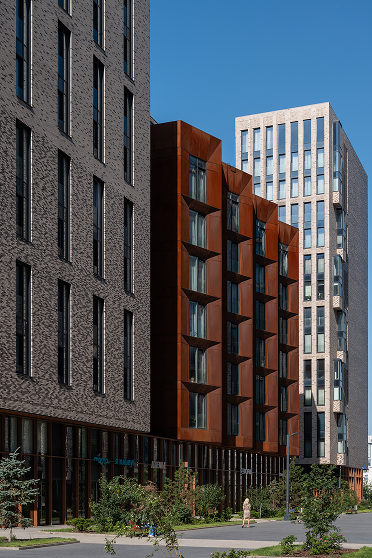
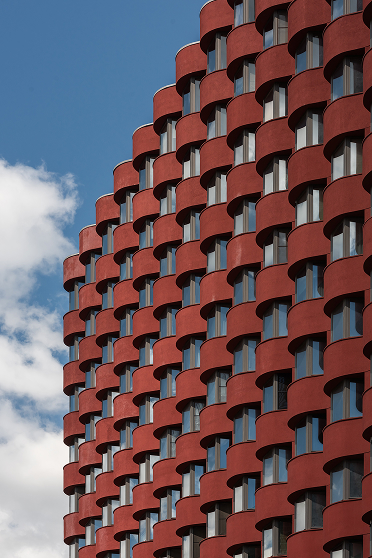
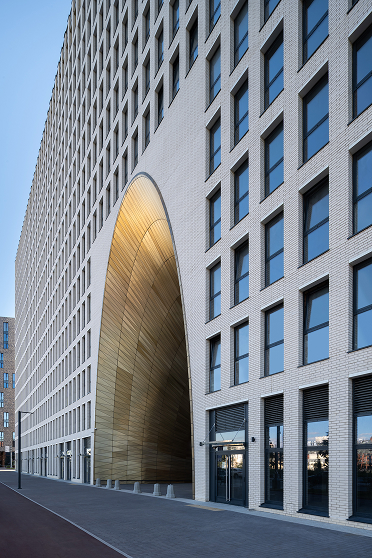
The museum is located at the intersection of Bratyev Vesninykh Boulevard and Alexander Rodchenko Street, close to the Tyufeleva Roshcha landscape park. Tyufeleva Roshcha is a work of landscape architecture created specifically for Zilart by Dutch-American designer, urbanist, and landscape architect Jerry van Eyck. Drawing on the site's history, he introduced a 1.5-kilometer-long pergola made of corten steel that runs through the ten-hectare park and recalls the form of an industrial conveyor belt.
The Zilart quarter is organized according to the principle of a city within a city and reflects a contemporary approach to urban development. The district includes everything needed for everyday life. People live and work here, raise children, engage in sports, focus on health and well-being, relax, and attend cultural events. The master plan for it was developed by the Meganom architectural bureau under the direction of Yuri Grigoryan.
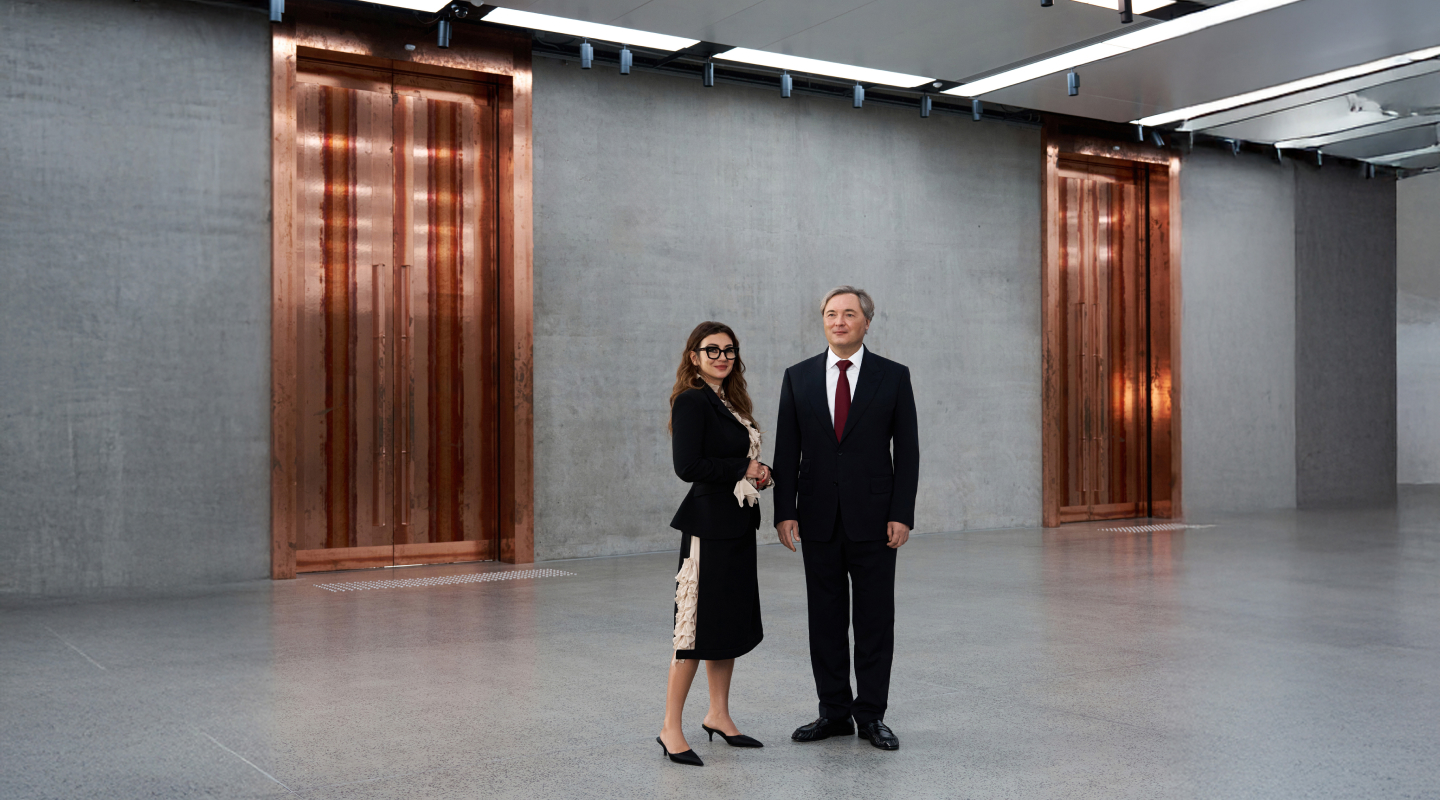
Founders
Andrey Molchanov
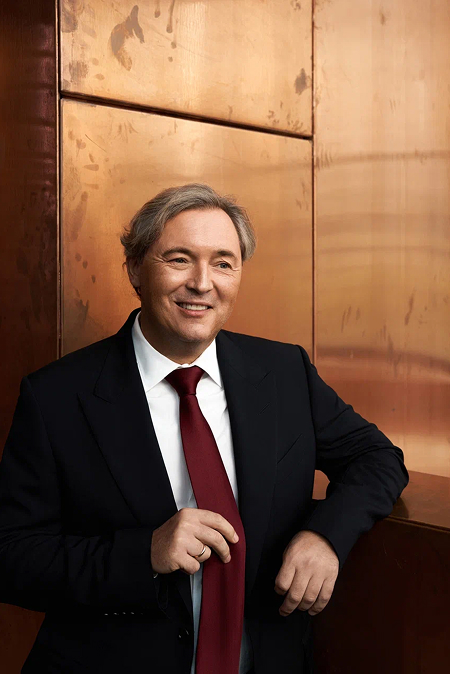
Entrepreneur, Doctor of Economics, founder and majority shareholder of LSR Group, collector, and philanthropist. Molchanov's interest in architecture and the design of urban environments is both professional and deeply personal. It forms an important part of his identity. In 2022, he allocated approximately 2.5 million dollars toward the restoration of the famous constructivist Konstantin Melnikov's House in Krivoarbatsky Lane.
Elizaveta Molchanova
Collector and founder of the Dobrotorium charitable foundation, which supports children with special needs by creating inclusive environments for socialization and communication and providing comprehensive assistance.
"Art is one of the most important parts of life. It brings calm, gives inspiration, encourages development, and allows us to create and improve the world around us. Our idea is to make art accessible to as many people as possible and to give them the opportunity to engage with it. Most importantly, the museum is meant to help younger generations encounter art in an interactive way and grow to love it, so they can better understand the world and themselves in the future."
Andrey Molchanov
Contact us
+7 495 139-93-31
3 Bratyev Vesninykh Boulevard, Danilovsky District, Moscow, 115432
For visitors
welcome@zilartmuseum.ruFor partners
partners@zilartmuseum.ruFor media
press@zilartmuseum.ruPublic Programme
programme@zilartmuseum.ruAdministration
director@zilartmuseum.ruGuided tours
tour@zilartmuseum.ruSubscribe to news
Keep up to date with new exhibitions, events and special projects of the museum.
Receive announcements and collections of art by e—mail.